A tire that keeps losing air without a nail in sight can be frustrating and a little worrying. Slow pressure loss has several common causes, and most can be fixed once the source is found.
Use this guide to understand what might be happening and when it is time for a professional inspection in Miami’s heat and afternoon storms.
Why “Mystery” Air Loss Happens
Not every leak leaves a shiny screw in the tread. Air can escape at the bead where the tire seals to the rim, through a damaged or aging valve core, past a cracked TPMS stem, or through tiny corrosion pits on the wheel. Heat, UV exposure, and curb taps accelerate those problems.
We often see a mix of factors: a slightly bent rim lip plus a dry valve core equals a slow, recurring drop.
Temperature Swings and Normal Pressure Drop
Pressure changes about one psi for every 10 degrees of temperature change. A cool morning after a hot day can make pressures look low even when the tire is airtight. Miami’s thunderstorms also cool the pavement quickly. Set pressures early in the morning with tires fully cold, and expect the reading to climb a bit once you drive.
If you must check after driving, add roughly two to three psi to your target to compensate for heat.
Bead Leaks and Rim Corrosion
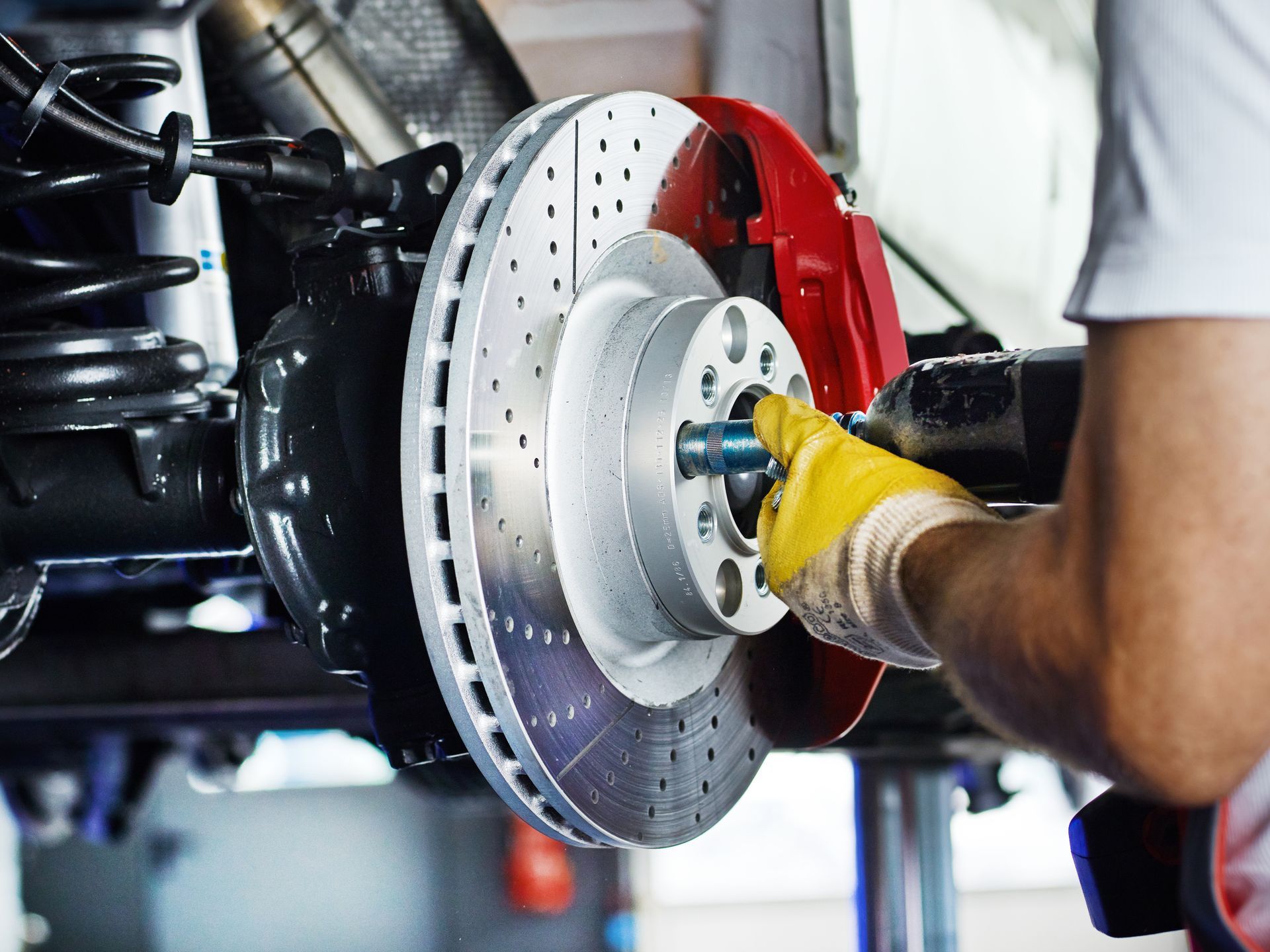
The “bead” is the tire’s inner edge that seals against the wheel. Corrosion on the wheel’s bead seat, a tiny bend from a pothole, or old mounting paste can let air sneak out. These leaks are more common on older alloy wheels and vehicles that see coastal air. A proper fix means demounting the tire, cleaning the bead seat to bare metal, applying fresh bead sealer, and remounting.
If the lip is bent or deeply pitted, wheel repair or replacement may be the long-term answer.
Valve Cores, Caps, and TPMS Stems
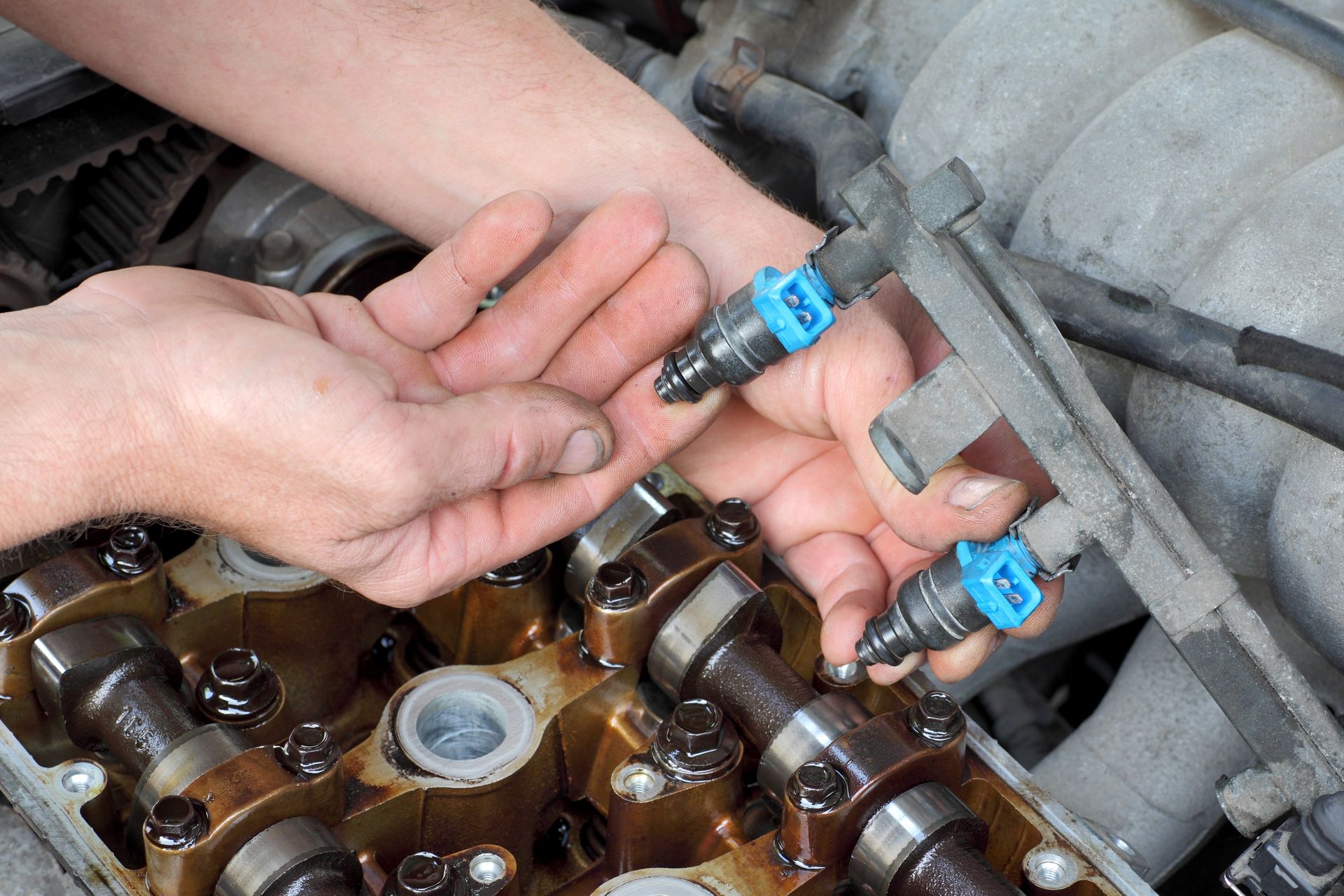
Small parts cause big headaches. Valve cores harden with age and can seep. Metal TPMS stems can crack from curb brushes or over-tightened caps. Plastic caps that look harmless may trap moisture and corrode the stem threads if they split. A good inspection includes replacing a suspect core, verifying torque on metal stems, and using a cap with an intact seal.
Our technicians also check for hairline cracks around the base of the TPMS sensor, where leaks can be nearly invisible.
Sidewall Pinholes and Tread Porosity
Very small punctures from thorns, glass slivers, or construction wire can seal temporarily, then reopen as the tire flexes. Sidewall damage is especially sneaky because the hole closes under weight and opens overnight, dropping pressure by morning. Any confirmed sidewall injury rules out repair; replacement is the safe call because sidewalls carry the load and flex constantly.
Tread-area pinholes can often be repaired with an internal plug patch if the injury is small and away from the shoulders.
When a “Leak” Isn’t a Leak
Uneven wear from misalignment or a bruised belt after a pothole strike can make a tire look low because the shoulder squats. Impact damage can also create a slow, internal air path that only shows up under load. If you add air and the same corner looks low again within days, have the wheel checked for a flat spot and ask for an alignment measurement.
We see many “repeat flats” vanish after a rim straightening plus a fresh bead seal.
Quick At-Home Checks
- Inflate all four tires to the driver-door placard pressure first, then recheck the same time the next morning.
- Spray a light soap mix on the valve, around the bead, and on any suspect tread area; bubbles point to leaks.
- Inspect the wheel lip for curb rash or bends and feel for sharp edges that could disturb the bead.
- Look closely at metal TPMS stems for white powdery corrosion or hairline cracks near the base.
If one tire drops more than two to three psi per week while the others hold steady, plan a professional service.
Extend Tire Life and Keep Pressures Stable
Set pressures monthly when tires are cold, rotate on schedule, and keep wheels clean so salt and brake dust do not creep under the bead. Avoid aggressive curb contact when parking, and slow for standing water that can hide potholes.
A quick visual check at every fuel stop catches shoulder squats and nail heads before they become stranded mornings. We recommend keeping a quality gauge in the glove box; gas station sticks vary widely.
Get Reliable Tire Leak Diagnosis in Miami with Rodriguez Brothers Auto
If a tire keeps losing air with no obvious cause, stop by our Miami shop. We will test the tire and wheel under water, inspect the valve and TPMS stem, clean and reseal the bead, and repair tread punctures the right way so pressures hold.
Schedule a visit with
Rodriguez Brothers Auto and leave with stable readings, even wear, and a quieter, safer drive.